Review: Love and Hearts Continuous Embroidery Design
As an embroidery designer who spends countless hours digitizing and testing files for commercial use, I have learned that not all machine embroidery design assets are created equal. When browsing through the vast library on Creative Fabrica, I look for files that offer both aesthetic appeal and technical reliability. Recently, I came across Love and Hearts Continuous Embroidery, a product that immediately caught my eye due to its specific structural advantages. After reviewing the details and considering its application for real-world projects, I want to share my honest evaluation of how this file performs for small business owners and crafters.
The Appeal of Redwork and Continuous Stitching
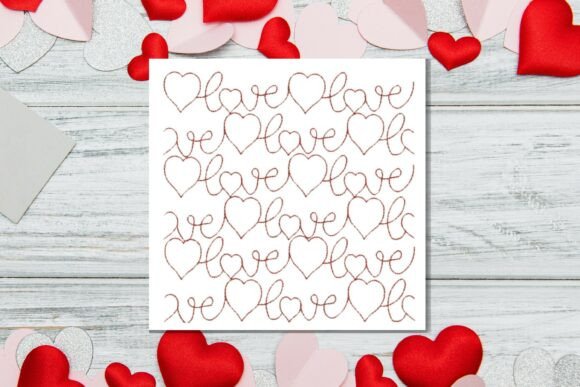
The first thing that stands out about Love and Hearts Continuous Embroidery is its classification as a redwork design. For those unfamiliar with the term, redwork traditionally refers to embroidery stitched in a single color, often red, on white fabric. However, in modern digital embroidery, the technique is valued more for its efficiency than its color palette. This specific embroidery file features hearts and the word "Love" in a continuous pattern. The most significant technical benefit here is that it stitches continuously without trims.
For anyone running a home-based embroidery business, thread trims are the enemy of productivity. Every time the machine stops to trim, you lose seconds that add up over dozens of items. A continuous line design minimizes these interruptions, resulting in faster production times and cleaner backsides with fewer loose threads. Visually, the design offers a charming, whimsical mood. It is not overly dense or heavy, which gives it a delicate, hand-drawn personality that fits perfectly into the current trend of minimalist handmade goods.
Practical Applications for Handmade Products
When evaluating a new Creative Fabrica embroidery asset, I always ask myself where it will add the most value. This design is incredibly versatile. While it is categorized under Valentine S Day, its utility extends far beyond February. Here is how I envision using this design in a commercial setting:
- Kitchen Textiles: The description suggests using it for quilting or hot pads. I agree wholeheartedly. A continuous heart pattern looks stunning on tea towels and aprons. Because it is likely composed of running stitches or simple outlines, it lays flat and does not interfere with the functionality of the fabric.
- Tote Bag Design: Canvas tote bags are a staple for Etsy sellers. This pattern can be scaled to run along the bottom hem or across the center, providing a subtle yet recognizable decorative element that appeals to buyers looking for everyday carryalls with a touch of romance.
- Custom Apparel: For sweatshirt embroidery, this design works well on the cuff or near the neckline. Its linear nature allows it to curve gently around cylindrical shapes, making it suitable for sleeves or collars.
- Nursery Decor: Soft, continuous lines are safe and appealing for baby items. You could use this on a muslin swaddle or a pillow cover, provided you use soft threads and appropriate stabilizers.
Technical Considerations for Real-World Stitching
While the design is promising, successful execution depends on understanding its technical constraints. Since this is a continuous pattern, hoop size is critical. You must ensure your machine’s hoop can accommodate the full length of the design if you intend to stitch it in one go. If your hoop is smaller, you will need to plan for re-hooping, which can introduce alignment errors. Always check the specific dimensions provided on the product page before starting.
Another factor is stitch density. Redwork designs typically utilize running stitches rather than dense satin stitch or fill stitch areas. This is advantageous for textured fabrics like waffle weave towels or thick quilted layers, as the needle perforations remain minimal. However, on stretchy fabrics like jersey knits used in t-shirts, you must use a high-quality cut-away stabilizer. Without proper support, the continuous line may pucker or distort after washing.
Thread color contrast is also vital. Since the design relies on line work rather than solid coverage, the thread must stand out against the background fabric. On dark fabrics, ensure you use a bright or metallic thread to maintain visibility. Conversely, on light fabrics, a classic red or deep pink creates that traditional redwork aesthetic. Always test on scrap fabric first to verify tension and registration.
Enhancing Brand Value and Customer Trust
From a business perspective, the quality of your digital embroidery file directly impacts your brand consistency. Using a clean, professional design like Love and Hearts Continuous Embroidery elevates the perceived value of your finished product. Customers appreciate attention to detail, and a design that stitches out cleanly without excessive jumps or trims demonstrates craftsmanship.
This design also lends itself well to product photography. The repetitive nature of hearts and text creates a visually engaging pattern that looks great in flat-lay shots or lifestyle images. Whether you are creating a personalized gift for a wedding party or stocking your boutique merchandise for spring, the visual appeal of this design can drive customer engagement. It feels thoughtful and curated, rather than mass-produced.
Final Recommendations for Embroiderers
Before adding this to your library, consider these final practical notes. First, verify the file formats included to ensure compatibility with your specific machine software. Second, review the licensing terms on the Creative Fabrica product page. While many files allow for commercial use of finished physical items, it is essential to confirm that you are compliant when selling embroidered patches, caps, or other commercial embroidery products.
In summary, Love and Hearts Continuous Embroidery is a strong candidate for designers looking to expand their repertoire of efficient, charming designs. It solves the common pain point of thread trims while offering a versatile aesthetic suitable for everything from kitchen linens to custom apparel. By paying attention to hoop size, stabilizer choice, and thread contrast, you can create high-quality handmade products that resonate with buyers. If you are looking to streamline your production process without sacrificing decorative appeal, this design is worth considering for your next project.