Reviewing the E2e Sweaters Quilting Embroidery Design
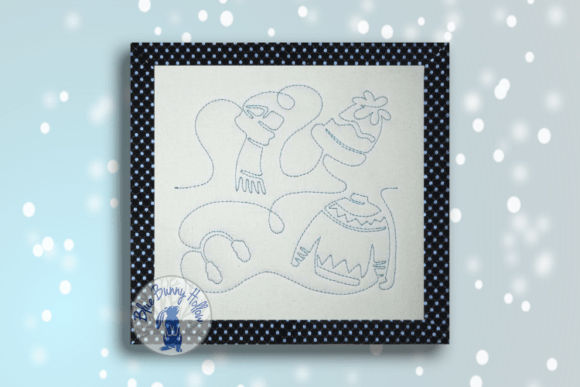
As a designer who spends half my life staring at digitized files and the other half watching needles punch through fabric, I have developed a keen eye for what works in the real world. We often get caught up in the technical specs of a machine embroidery design, but the true test is always how it translates to a finished product. Recently, I pulled up the E2e Sweaters Quilting Embroidery Design to evaluate its potential for my upcoming winter collection. This is not just another generic pattern; it is a cozy, continuous line work that promises to add soft winter texture to various projects. Here is my practical breakdown of how this design performs when it leaves the screen and hits the hoop.
First Impressions and Visual Mood
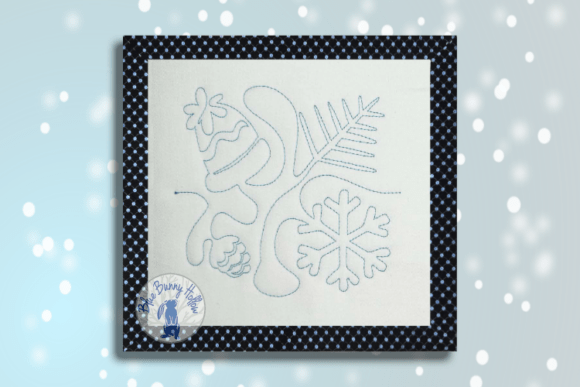
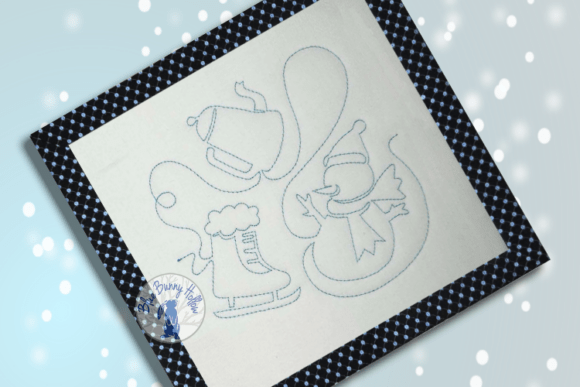
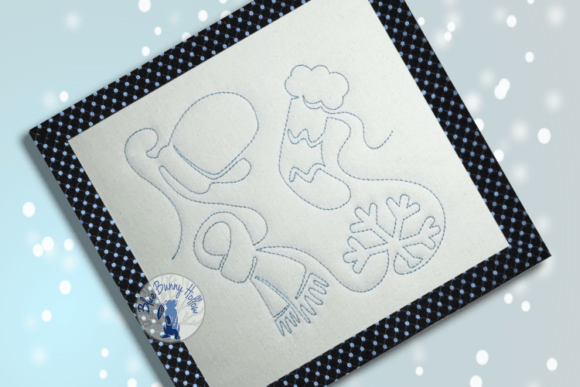
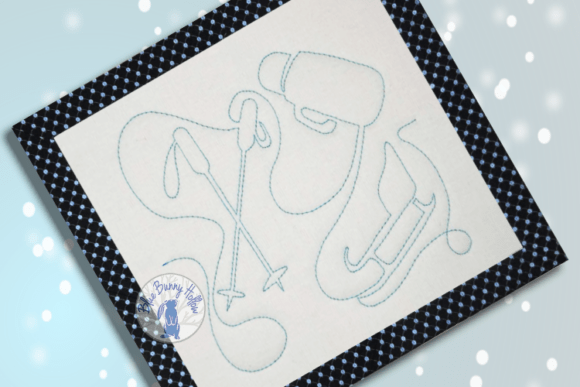
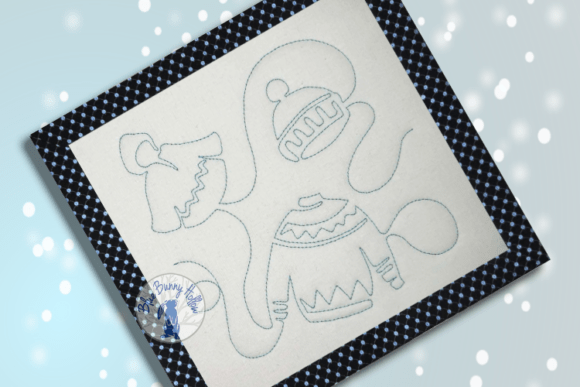
The immediate appeal of the E2e Sweaters Quilting Embroidery Design lies in its nostalgic warmth. Featuring two sweaters and a knit hat, the layout evokes feelings of hygge and comfort. For those of us in the Sewing and Embroidery community, finding designs that balance whimsy with professionalism can be challenging. This design achieves that balance by using smooth, continuous lines rather than overly complex fills. It feels approachable yet polished. The visual personality is distinctly seasonal without being cluttered, making it an excellent candidate for holiday gifts or boutique branding where subtlety is key.
Real-World Application Scenarios
I recently worked on a custom order for a local boutique looking to expand their winter apparel line. They needed something that would look good on heavy fabrics but wouldn't overwhelm the garment. I tested the E2e Sweaters Quilting Embroidery Design on a heavyweight cotton sweatshirt. The result was impressive. The continuous nature of the pattern allowed the fabric to breathe, avoiding that stiff, cardboard-like feel that dense satin stitches sometimes create.
Beyond apparel, this design shines in home decor. I stitched it onto a linen pillow cover, and the texture contrast between the smooth linen and the raised embroidery threads added significant visual interest. It also works beautifully as a tote bag design. When scaled correctly, the sweaters and hat motif becomes a charming focal point on canvas bags, appealing to customers looking for unique, handmade products. For Etsy sellers, this versatility is crucial. A single digital embroidery file that can adapt to both a baby onesie and a kitchen towel increases the perceived value of your shop.
Performance on Different Materials
One of the most critical aspects of any embroidery project is how the design interacts with fabric texture. The E2e Sweaters Quilting Embroidery Design relies on clean lines, which means it performs best on stable, medium-to-heavy weight fabrics. On textured fabrics like wool blends or thick cotton, the design holds its shape well. However, caution is needed when working with stretchy materials. Without proper stabilization, the continuous lines can distort, causing the sweaters to look warped rather than cozy.
I also tested the design on dark fabric. Because the pattern uses open space effectively, thread color contrast becomes vital. Using a light thread on dark navy or charcoal fabric made the design pop, creating a striking visual effect. Conversely, on light fabrics, choosing a thread color that mimics actual yarn—like mustard yellow, rust, or slate blue—enhances the realistic "knit" illusion. Always check your thread colors against your fabric background before committing to a full production run.
Technical Considerations for Designers
While the design is user-friendly, there are technical nuances to consider. Since this is an edge-to-edge (E2E) style quilting design, stitch density plays a major role. If the density is too high, it can pucker thin fabrics. If it is too low, the design may lack definition. I recommend testing the design on scrap fabric first. This simple step saves time and material in the long run. Pay close attention to the small details, such as the ribbing on the sweaters and the pom-pom on the hat. These elements need to stitch out cleanly to maintain the design’s charm.
Hoop size is another factor. Ensure your machine’s hoop can accommodate the full width of the design if you intend to stitch it as a single unit. For larger items like blankets, you may need to tile the design, which requires precise alignment. Always use the appropriate stabilizer. For stretchy garments like t-shirts or sweatshirts, a cut-away stabilizer provides the necessary support to keep the sweatshirt embroidery looking professional after multiple washes.
Commercial Viability and Branding
For craft business owners and small shop products, consistency is key. The E2e Sweaters Quilting Embroidery Design offers a consistent aesthetic that can help build brand recognition. Whether used on a personalized gift tag, an embroidered patch, or a holiday decoration, the design maintains its integrity. It adds value to the finished product by suggesting care and attention to detail. Customers are more likely to trust a brand that produces clean, well-executed embroidery.
When creating printable mockups or digital product previews, this design photographs well. The clear lines and recognizable shapes translate effectively in images, which is essential for online sales. However, always confirm licensing terms before selling finished items or digital products. While many designs allow for commercial use, it is crucial to verify this with the creator to protect your business.
Final Verdict
The E2e Sweaters Quilting Embroidery Design is a solid addition to any designer’s library. It is versatile, visually appealing, and relatively forgiving on various fabrics when handled with care. It fits seamlessly into the worlds of custom apparel, home decor, and holiday crafts. By paying attention to stabilizer choice, thread contrast, and fabric type, you can maximize the potential of this design. Whether you are an experienced embroiderer or a hobbyist looking to elevate your handmade products, this design offers a reliable way to add warmth and texture to your work. Just remember to test, adjust, and refine your process to ensure every stitch counts.