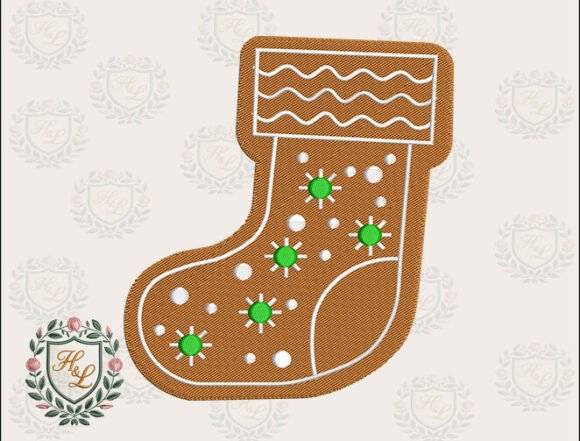
Reviewing the Gingerbread Sock Embroidery Files
As a designer who has spent countless hours hooping, stitching, and unpicking, I approach every new digital embroidery file with a mix of curiosity and skepticism. We have all been there: you download a cute design, only to find the stitch density is too high for jersey knits or the satin stitches are so long they snag on everything. When I first loaded the Gingerbread Sock Embroidery Files into my software, I was looking for more than just a festive motif. I was looking for a reliable asset that could elevate a handmade product without causing production headaches.
The immediate impression of this applique design is its charming simplicity. It captures the whimsical spirit of the season without relying on excessive detail that often gets lost in thread. The shape is recognizable and bold, which is crucial when you are working with various fabric textures. Whether you are decorating a plush fleece blanket or a structured canvas tote, the silhouette holds up well. This is not just a pretty picture; it is a functional piece of art designed for real-world application.
Real-World Application and Versatility
To truly test the value of these files, I imagined a specific scenario: preparing a batch of custom holiday gifts for a small boutique client. The goal was to create a cohesive line of personalized gift items that felt high-end yet approachable. I started with a heavy-weight cotton tote bag design. The gingerbread sock motif, with its clean lines and potential for textured appliqué fabric, sat beautifully on the natural canvas. It didn’t look like an afterthought; it looked intentional and curated.
Moving beyond bags, I considered how this design would translate to sweatshirt embroidery. Holiday apparel is a massive market for Etsy sellers and craft business owners. The key here is comfort. Nobody wants a stiff, scratchy patch on their chest. Because this design leans towards appliqué, it allows you to use soft fabrics like flannel or felt for the sock itself, reducing the amount of direct stitching on the garment. This makes it ideal for custom apparel that needs to be worn repeatedly. The fill stitch areas are balanced, ensuring the design doesn’t become a heavy, restrictive plate of thread.
For those focusing on baby embroidery, this motif is particularly appealing. It is sweet without being overly complex. However, when working with delicate infant clothes, you must be mindful of the backing. I recommend using a soft, tear-away or cut-away stabilizer depending on the fabric stretch. The design’s open nature means it won’t pucker lightweight cottons as aggressively as dense, solid-filled designs might.
Technical Performance and Stitch Quality
From a technical standpoint, the structure of the Gingerbread Sock Embroidery Files shows thoughtful planning. The transition between the running stitch outlines and the broader fill areas is smooth. In machine embroidery, jump stitches and poor transitions can lead to thread breaks and frustration. This design minimizes those risks by keeping the path logical.
One critical aspect to evaluate is stitch density. If you are stitching this on a thick towel or a denim jacket, the default settings should work fine. However, if you are placing it on a thin polyester blend or a stretchy knit, you may need to adjust your tension or use a water-soluble topping to prevent the stitches from sinking into the fabric. The design does not appear overly dense, which is a good sign for versatility. It allows the texture of the underlying material to breathe, which is essential for maintaining the premium feel of a finished product.
Color choice plays a significant role in how this design reads. While traditional gingerbread tones are warm browns and creams, do not be afraid to experiment. A monochrome look using white thread on a red sweatshirt creates a striking, modern holiday embroidery vibe. Conversely, using contrasting thread colors for the details can make the design pop on dark fabrics. Always test your color combinations on scrap fabric before committing to the final item. What looks good on screen can sometimes disappear or clash once stitched out.
Considerations for Challenging Surfaces
While this design is versatile, it is not without its limitations. You should exercise caution when applying it to curved surfaces like caps. The width of the sock might require careful hooping to avoid distortion. If you are new to cap embroidery, start with a flat brim or a structured panel to ensure the design remains symmetrical. Additionally, avoid placing the design too close to seams or zippers, as the hoop pressure can cause uneven stitching.
Another area to watch is small-scale reproduction. If you plan to shrink this design significantly for a tiny embroidered patch or a pocket detail, check the legibility of any internal details. Appliqué designs generally scale better than pure stitch-fill designs because the fabric provides the bulk of the visual weight. However, always verify the minimum hoop size required and ensure your machine can handle the smallest details without skipping stitches.
Commercial Viability and Brand Consistency
For small shop product creators, consistency is key. Using a reliable machine embroidery design like this helps build trust with your customers. When a buyer receives an item where the stitching is clean, the edges are trimmed neatly, and the design is centered, they perceive higher value. The Gingerbread Sock Embroidery Files support this level of professionalism. They are clean, modern, and adaptable, fitting well into a variety of brand aesthetics from rustic farmhouse to modern minimalist.
Before selling any commercial embroidery items made with these files, always review the license terms. Most designers allow the sale of finished physical goods but restrict the resale of the digital file itself. Ensure you are compliant to protect your business. Additionally, consider creating printable mockup images or digital previews that show the design on different products. This helps customers visualize the design assets in their own homes, increasing conversion rates for your online listings.
Final Designer Notes
To get the best results from the Gingerbread Sock Embroidery Files, follow these practical steps:
- Always stitch a test sample on the same fabric type you intend to use for the final product.
- Check the contrast between your thread and fabric; high contrast highlights details, while low contrast offers subtlety.
- Use the appropriate stabilizer for your fabric weight and stretch.
- Trim appliqué fabric carefully to avoid fraying edges that ruin the clean look.
- Verify the file format compatibility with your specific embroidery machine before purchasing or downloading.
In conclusion, this design is a strong contender for your holiday collection. It balances aesthetic appeal with technical reliability, making it a smart choice for both hobbyists and professional embroidery project managers. By understanding its strengths and respecting its limitations, you can create stunning, high-quality items that customers will love.