Reviewing the Poinsettia Machine Embroidery Design
As an embroidery designer who spends countless hours digitizing and testing files, I have learned that not every festive pattern holds up under the needle. When the holiday rush approaches, we all look for designs that offer visual impact without requiring excessive troubleshooting. Recently, I evaluated the Poinsettia Machine Embroidery Design available on Creative Fabrica to determine if it meets the standards required for professional handmade products. This review focuses on real-world application, stitch quality, and commercial viability for small business owners.
First Impressions and Visual Appeal
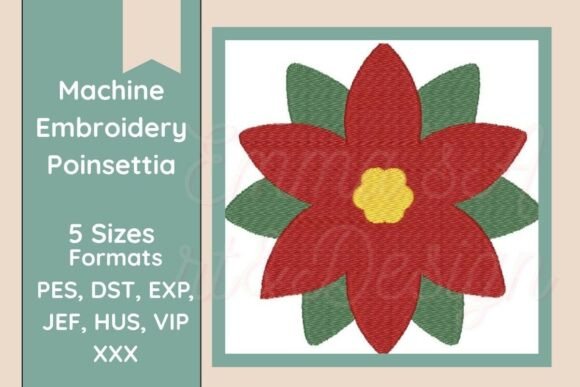
The first thing that catches your eye with this design is its classic elegance. Poinsettias are synonymous with the Christmas season, but many digital files render them too flat or overly complex. This particular embroidery file strikes a balance between decorative appeal and stitching practicality. The visual mood is warm and traditional, making it an excellent choice for customers seeking timeless holiday decor rather than trendy, fleeting styles.
The detail level suggests a thoughtful approach to layering. In machine embroidery, the difference between a amateur-looking patch and a boutique-quality item often lies in how well the petals and leaves are defined. This design appears to utilize a mix of satin stitch for smooth edges and fill stitch for broader areas, creating texture that mimics the natural look of the flower. For designers creating printable mockup images for Etsy listings, this level of detail translates beautifully into product photography, enhancing perceived value before the item is even stitched.
Versatility Across Product Categories
One of the strongest selling points of this Creative Fabrica embroidery asset is its availability in five convenient sizes. This versatility is crucial for creative entrepreneurs who need to adapt a single design assets purchase across multiple product lines. Here is how I envision this design performing in various real-world scenarios:
- Custom Apparel: The medium to large sizes work exceptionally well for sweatshirt embroidery. Placed on the left chest or as a larger back piece, the poinsettia adds a festive touch to cozy winter wear. The design’s structure should hold up well on cotton blends, provided the correct stabilizer is used.
- Home Decor: For tote bag design projects or kitchen towels, the smaller hoop options allow for precise placement near handles or hems. The red and green color palette naturally complements neutral linen or canvas fabrics, making it a staple for seasonal handmade product collections.
- Accessories and Gifts: The smallest size is ideal for embroidered patch creation or adding subtle details to caps. It also serves as a charming accent for personalized gift items like baby blankets or nursery decor, where a softer, less dense stitch count might be preferred for comfort.
Technical Considerations for Real Stitching
While the visual preview is promising, any experienced embroiderer knows that the devil is in the details. Before committing to a large batch of commercial embroidery orders, there are several technical factors to consider with this digital embroidery file.
Stitch Density and Fabric Choice
Poinsettias often feature broad petals, which can lead to high stitch counts if not optimized. High stitch density can cause puckering, especially on stretchy fabrics like jersey knits used in t-shirts or lightweight baby items. I recommend always testing on scrap fabric identical to your final product. If you are stitching on dark fabric, ensure your underlay stitches are sufficient to prevent the base material from showing through the red petals. Using a cut-away stabilizer for garments that will undergo frequent washing is essential to maintain the integrity of the finished product.
Hoop Size and Placement
Since the product description mentions five sizes, it is vital to confirm the specific dimensions match your machine’s hoop size capabilities. For curved surfaces like caps, using the smaller sizes reduces the risk of distortion. Always use a cap frame or appropriate jig to ensure the design remains centered and does not pull during stitching. For flat items like aprons or pillow covers, standard hoops work fine, but careful hooping is still required to avoid registration issues between the leaf and petal layers.
Thread Colors and Contrast
The beauty of a poinsettia relies heavily on color contrast. While the default thread colors in the applique design or standard version may be traditional red and green, do not hesitate to experiment. Modern palettes using burgundy, gold, or even monochromatic whites can elevate the design for high-end boutique merchandise. However, always check the thread colors sequence in your software to ensure smooth transitions and minimal thread trims.
Commercial Viability and Brand Consistency
For Etsy sellers and small business owners, the ultimate question is whether this design helps build brand trust. A well-executed embroidery project signals quality. Because this Poinsettia Machine Embroidery Design offers a clean, professional look, it supports brand consistency across different items. Whether you are selling a single tote bag or a full line of holiday home goods, the cohesive aesthetic helps customers recognize your style.
Moreover, the ease of use contributes to customer engagement. When buyers see crisp, well-defined stitches in your product photos, they are more likely to trust the durability of the item. This is particularly important for items like kitchen towels or aprons that face regular wear and tear. A design that maintains its shape after washing reinforces buyer confidence and encourages repeat purchases.
Final Recommendations for Users
Before integrating this design into your production workflow, take these practical steps:
- Verify File Details: Check the Creative Fabrica product page for specific file formats compatible with your machine. Ensure the license terms allow for the number of physical items you plan to sell.
- Run Test Stitches: Never skip the test phase. Stitch out the design on similar fabric to check for any nesting issues or loose threads.
- Optimize Settings: Adjust tension and speed based on your machine’s performance with fill-heavy designs. Slowing down can often improve the quality of satin edges.
- Consider Layering: If the design allows, consider combining it with simple text or other elements to create unique custom apparel offerings, but keep the composition balanced to avoid overcrowding.
In conclusion, the Poinsettia Machine Embroidery Design offers a solid foundation for holiday-themed projects. Its adaptability across various sizes and products makes it a valuable addition to any designer’s library. By paying attention to stabilizer choices, fabric types, and stitch density, you can transform this digital asset into stunning, high-quality handmade goods that resonate with customers during the festive season.