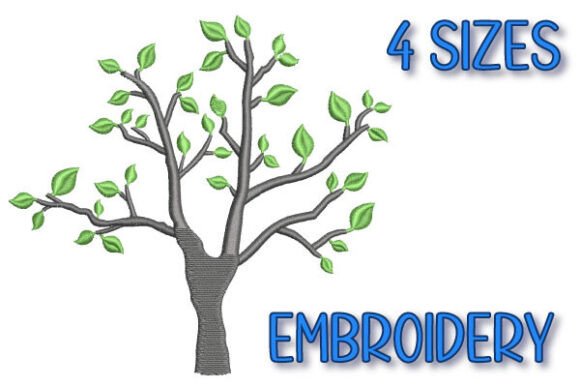
Reviewing the Tree with Green Leaves Embroidery Design
As a designer who has spent years digitizing and testing machine embroidery design files, I have learned that not all nature motifs translate well to thread. Some look stunning on screen but turn into tangled messes on fabric. Recently, I evaluated the Tree with Green Leaves Embroidery Design to determine its viability for real-world commercial and personal projects. This is not just a digital asset; it is a tool for creating tangible value in a craft business.
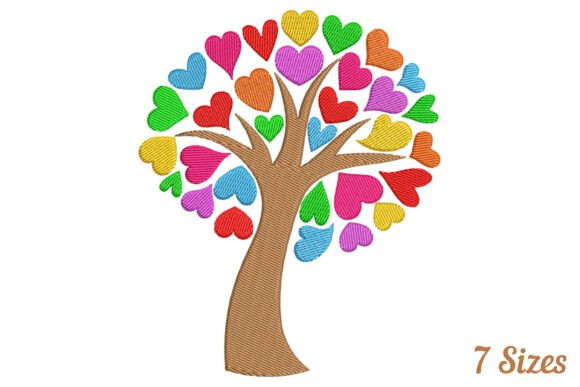
The first impression of this design is one of organic vitality. Unlike rigid geometric patterns, this tree features a flowing silhouette with lush foliage that suggests movement. For an Etsy seller or boutique owner, visual appeal is the primary driver of clicks. This design captures a fresh, earthy mood that resonates with current trends in sustainable living and nature-inspired home decor. However, aesthetic appeal means nothing if the stitching fails. My review focuses on how this embroidery file performs under the needle.
Real-World Application and Product Fit
To truly test a design, you must imagine it on a finished product. I visualized this tree on a heavy-weight cotton tote bag. The vertical orientation of the trunk allows for excellent placement on the center panel of a bag, creating a balanced tote bag design that draws the eye upward. The green leaves provide a vibrant contrast against natural beige canvas, making it an ideal choice for eco-friendly branding.
Beyond bags, I considered sweatshirt embroidery. Placing this design on the left chest of a heather grey hoodie creates a subtle yet sophisticated look. It works well as a standalone motif without needing additional text, which simplifies production for small shop product lines. For those specializing in baby embroidery, this tree could be scaled down for a nursery blanket or onesie, provided the stitch density is adjusted to remain soft against sensitive skin.
The versatility extends to holiday embroidery projects as well. While not explicitly seasonal, the lush greenery fits perfectly into spring collections or Earth Day promotions. It serves as a strong foundation for personalized gift items, where customers might request their family name integrated beneath the branches. As a digital embroidery file, it offers flexibility for customization, but the base design must hold its own.
Stitch Performance and Technical Considerations
When examining the structure, I looked closely at the transition between the trunk and the canopy. A common issue in tree designs is excessive stitch density in the leaf areas, which can cause puckering. This design appears to use a mix of fill stitch for the foliage and potentially satin stitch or running stitch for finer branches. This combination is crucial for maintaining definition without overwhelming the fabric.
For custom apparel, the choice of stabilizer is non-negotiable. On stretchy fabrics like jersey t-shirts, a cut-away stabilizer is essential to prevent the tree from distorting after washing. On woven fabrics like denim or canvas used for an embroidered patch, a tear-away stabilizer may suffice, but testing is required. The thread colors specified in the design likely include multiple shades of green to create depth. If you are substituting threads, ensure you maintain enough contrast between the leaves and the background fabric.
I also considered how this design behaves on curved surfaces, such as caps. The width of the canopy must fit within standard cap hoops. If the design is too wide, it may wrap around the curve uncomfortably. Always check the dimensions against your available hoop size before purchasing or committing to a client order. For commercial embroidery runs, consistency is key, so verifying that the design does not have unnecessary jump stitches will save time during production.
Navigating Fabric and Detail Challenges
While the design is robust, there are scenarios where caution is needed. On very thin or slippery fabrics, such as silk or lightweight rayon, the density of the leaves might cause gathering. In these cases, using a water-soluble topping can help keep the stitches on the surface and prevent them from sinking into the fabric texture. Similarly, on dark fabrics, ensure that the green threads have enough vibrancy to stand out. A test stitch-out on scrap material is always the best insurance policy.
Another consideration is the level of detail in the smaller branches. If the design includes intricate applique design elements or very fine lines, they may not stitch out clearly on textured towels or fluffy fleece. For kitchen towel projects, a simplified version or a larger scale might be necessary to maintain clarity. Always inspect the small details in your embroidery software before loading the file onto the machine.
Enhancing Brand Value and Customer Trust
Using high-quality design assets like this tree elevates the perceived value of your handmade product. Customers associate clean, professional stitching with reliability. When this design is executed well, it reinforces brand consistency for sellers focusing on nature-themed goods. It creates a recognizable visual identity that can be applied across various products, from aprons to pillow covers.
For printable mockup creation, this design offers excellent visual potential. Its organic shape looks natural in lifestyle photos, helping potential buyers visualize the item in their homes. This visual storytelling is critical for online sales, where customers cannot touch the product. A well-stitched tree becomes a centerpiece that drives engagement and trust.
Practical Designer Notes for Implementation
Before integrating the Tree with Green Leaves Embroidery Design into your workflow, consider these practical steps:
- Test on Scrap Fabric: Always stitch a sample on the same material and weight you intend to use for the final product.
- Check Thread Contrast: Verify that your green thread shades distinguish themselves from each other and the background.
- Review Stitch Density: Ensure the fill areas are not too dense for your specific fabric type to avoid puckering.
- Confirm Hoop Size: Measure the design dimensions to ensure it fits comfortably within your machine’s hoop capacity.
- Inspect Small Details: Zoom in on the digital file to check for any tiny, fragile stitches that might break easily.
- Use Proper Stabilizer: Match the stabilizer type to the fabric stretch and weight for optimal results.
- Verify Licensing: Confirm whether the license allows for commercial use if you plan to sell finished items or digital products.
In conclusion, the Tree with Green Leaves Embroidery Design is a versatile and visually appealing option for designers and makers. It bridges the gap between artistic expression and technical feasibility. By understanding its strengths and limitations, you can leverage this Forest-themed motif to create stunning Embroidery projects that resonate with customers and stand the test of time. Whether for a custom apparel line or a unique personalized gift, this design offers a solid foundation for creative success.