Review: Ribbon Bow Love Embroidery for Makers
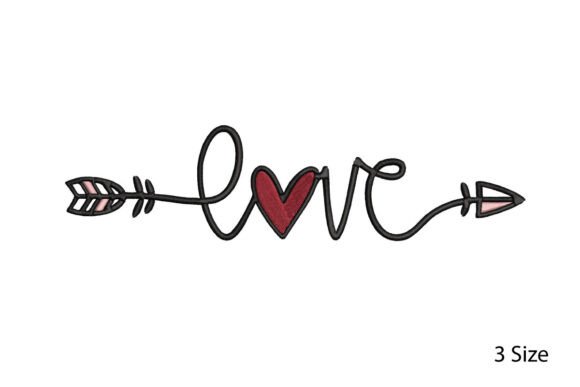
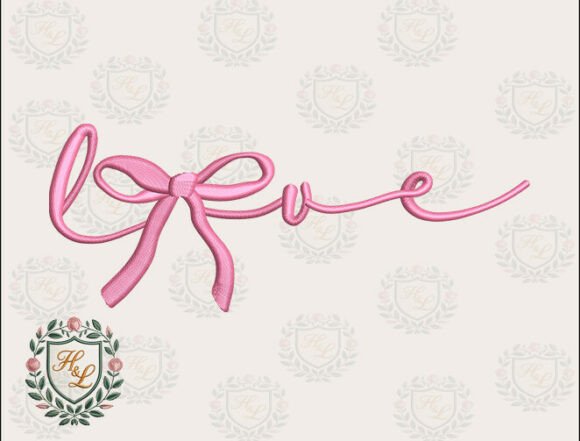
As a designer who has spent years digitizing and reviewing patterns, I have learned that not every pretty image translates into a clean stitch-out. When I first loaded the Ribbon Bow Love Embroidery file into my software, my initial reaction was one of cautious optimism. The concept is undeniably charming: a flowing ribbon that loops and curls to form the word "love" in a graceful cursive script. It captures a specific mood of romance and sweetness that is perfect for seasonal projects, but the real question for any serious crafter or small business owner is how it performs under the needle.
I decided to put this design through its paces by preparing a custom embroidered tote bag for a client’s boutique launch. This real-world test allowed me to evaluate everything from thread tension to visual impact on textured fabric. Here is my practical assessment of using this machine embroidery design in your next project.
First Impressions and Visual Personality
The aesthetic of Ribbon Bow Love Embroidery is soft and fluid. Unlike rigid block letters, the ribbon motif creates a sense of movement. The way the ribbon culminates in a charming bow adds a decorative flourish that elevates the piece from simple text to a graphic element. For Valentine S Day collections, this design hits the right note without being overly cliché. It feels elegant rather than cartoonish, which broadens its appeal beyond just children’s items.
However, designers must pay attention to the intricacy. The "intricately formed" nature of the ribbon means there are likely tight curves and overlapping sections. In digital previews, these look seamless, but in physical embroidery, they require precise digitizing to prevent thread bunching. The visual personality suggests this design belongs on items where a touch of femininity and warmth is desired, such as nursery decor, bridal gifts, or boutique apparel.
Performance in Real-Life Applications
To test versatility, I considered how this embroidery file would behave across different products. For sweatshirt embroidery, the design holds up well because the thicker fabric provides a stable base for the ribbon’s curves. The fill stitch areas within the ribbon likely provide good coverage, making the text legible even from a distance. This makes it an excellent choice for custom apparel where brand recognition or message clarity is key.
When applied to a canvas tote bag design, the result was crisp. The contrast between the thread and the natural fabric highlighted the ribbon’s shape. I also tested it on a smaller scale for a personalized gift tag. Here, the design’s success depended heavily on the hoop size. If you are working with a small hoop, ensure the details do not become too dense. For baby embroidery, such as on onesies or burp cloths, the softness of the ribbon motif is ideal, but you must ensure the back of the stitching is smooth to avoid irritating sensitive skin.
For Etsy sellers and craft business owners, this design offers strong commercial potential. It works beautifully on pillow covers and kitchen towels, adding a handmade touch that customers value. The romantic theme also makes it a strong candidate for wedding-related merchandise, such as embroidered aprons for bridesmaids or decorative patches for gift bags.
Technical Considerations and Fabric Choices
While the design is beautiful, it is not without its technical demands. The flowing ribbon structure implies a mix of satin stitch borders and potentially dense fill areas. On stretchy fabrics like jersey knits, this can cause puckering if not properly stabilized. I strongly recommend using a cut-away stabilizer for garments that will be washed frequently, as the weight of the ribbon stitching needs support to maintain its shape.
Textured fabrics present another challenge. On a thick terry cloth towel, the finer details of the ribbon’s edges might get lost. In such cases, increasing the stitch density slightly or choosing a high-sheen thread can help the design pop. Conversely, on thin fabrics like silk or lightweight cotton, the density of the ribbon could cause the material to gather. Always test on scrap fabric first. This is a crucial step for any embroidery project to avoid ruining expensive materials.
Dark fabrics require careful thread colors selection. A light pastel ribbon against navy blue looks stunning, but if the digitizing includes underlay stitches that are visible, they might detract from the final look. Check your machine’s tension settings to ensure the top thread covers the bobbin thread completely, especially in the curved sections of the ribbon.
Design Placement and Hoop Constraints
Placement is critical for this design. Because the word "love" is formed by a continuous ribbon, breaking the design across a seam or a curved surface like a cap brim can distort the message. For embroidered patch creation, this design works well if the patch is large enough to accommodate the full loop of the ribbon. On caps, place it centrally on the front panel, avoiding the curve near the visor where distortion is common.
If you are creating a digital embroidery file bundle or selling finished items, consider offering multiple sizes. A large version works for blanket corners, while a miniature version suits pocket accents. However, beware of scaling down too much. Tiny lettering formed by ribbons can become illegible if the satin stitches merge. Always inspect the smallest size in your software’s simulation mode before stitching.
Commercial Viability and Brand Consistency
For small shop product lines, consistency is key. Ribbon Bow Love Embroidery fits well within a brand identity that values elegance and handcrafted quality. It enhances the perceived value of a handmade product because it looks more complex than standard font-based designs. Customers often associate intricate ribbon work with higher effort and skill, which can justify a higher price point.
When creating printable mockup assets for your online store, ensure the lighting highlights the sheen of the thread. The ribbon effect relies on light reflection to show its dimensionality. Flat lighting can make the design look two-dimensional and less appealing. Use these visuals to build trust with buyers who cannot touch the physical item.
Final Designer Notes
Before committing to a large production run, keep these practical tips in mind:
- Check Licensing: Confirm whether the design assets allow for commercial use if you plan to sell finished goods. Never assume; always read the license terms provided with the download.
- Test Stitch Density: Run a test stitch on similar fabric to check for thread breaks or bird nests, particularly in the tight loops of the ribbon.
- Contrast Matters: Choose thread colors that contrast sufficiently with the fabric. Monochromatic looks can be subtle but may lack the impact needed for retail displays.
- Stabilizer Selection: Match your stabilizer to the fabric weight. Heavy stabilizers on light fabric can cause stiffness, while light stabilizers on heavy fabric may not prevent puckering.
In conclusion, Ribbon Bow Love Embroidery is a versatile and visually appealing design that, when handled with technical care, can elevate a wide range of products. From holiday gifts to everyday boutique items, it offers a blend of romance and craftsmanship that resonates with buyers. Just remember that beautiful digitizing requires respectful execution. Treat the design with the attention it deserves, and it will serve your craft business well.