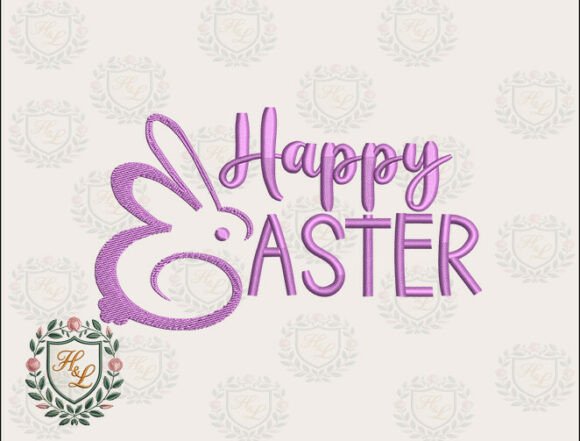
Reviewing the Happy Easter Bunny Embroidery Files
As a designer who has spent countless hours digitizing and stitching out thousands of machine embroidery design files, I approach every new download with a mix of optimism and skepticism. We have all been there: you find a cute graphic online, buy the digital embroidery file, and then spend three hours troubleshooting tension issues because the digitization was poorly planned. That is why I took a close look at the Happy Easter Bunny Embroidery Files to see if they hold up under the pressure of real-world production.
This isn’t just about whether the bunny looks cute on a screen. It is about how this applique design behaves when the needle hits the fabric. For those of us running a craft business or selling on Etsy, reliability is everything. A design that puckers, breaks threads, or looks messy after washing is a liability, not an asset. Here is my practical breakdown of using these files for client projects and personal creations.
First Impressions and Visual Personality
The first thing that strikes me about the Happy Easter Bunny Embroidery Files is the balance between simplicity and charm. In the world of holiday embroidery, it is easy to fall into the trap of over-complicating a design with too many tiny details that simply do not translate well to thread. This design avoids that pitfall. The layout feels open and breathable, which is crucial for maintaining stitch clarity.
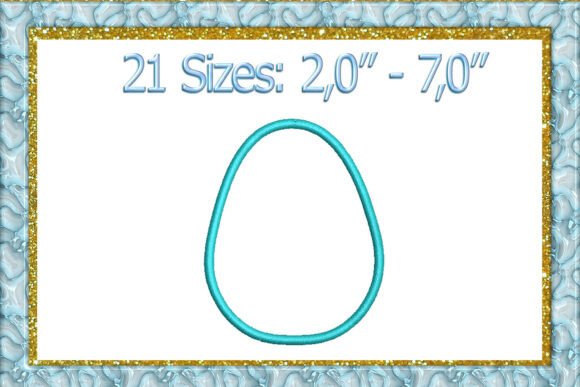
The mood is undeniably cheerful but professional. It does not scream "amateur hour." Instead, it offers a clean silhouette that works well for a variety of demographics. Whether you are targeting parents looking for baby embroidery on onesies or adults wanting a subtle touch of spring on a tote bag, the visual personality fits. The use of appliqué suggests a textured, layered look that adds depth without requiring excessive stitch counts, which is a smart choice for keeping production time low and quality high.
Real-World Application: The Tote Bag Test
To truly evaluate a design, you have to put it to work. I decided to test this embroidery file on a canvas tote bag design project. Canvas is a forgiving yet sturdy fabric, making it a great benchmark for testing stitch density and registration.
The process began with hooping the fabric and a medium-weight cut-away stabilizer. Because this is an appliqué style, the placement of the tack-down stitches is critical. I found that the initial running stitches held the fabric pieces securely without shifting. This is a common pain point in cheaper designs, but here, the alignment was precise. Once the satin stitch border was applied, the edges were crisp and clean. There was no gaping, and the transition between the fabric appliqué and the embroidered outline was seamless.
For an Etsy seller, this kind of consistency is vital. When a customer orders a custom item, they expect the finished product to look like the mockup. This design delivers on that promise. It creates a high-value perception because the stitching looks intentional and neat, rather than rushed or chaotic.
Versatility Across Products
Beyond tote bags, I considered how this design would perform on other popular items. For sweatshirt embroidery, the bulk of the fabric requires careful handling. Since this design uses appliqué, it reduces the amount of thread buildup, which is excellent for keeping garments comfortable and flexible. A heavy fill stitch can make a sweatshirt feel stiff, but this approach keeps it soft.
I also envision this working beautifully as an embroidered patch. If you stabilize correctly and use a tear-away backing, you can create standalone patches that customers can iron or sew onto jackets and hats. This expands the utility of the design assets significantly. For custom apparel like t-shirts, the lightness of the design ensures it does not weigh down thin fabrics, preventing that dreaded "pull" effect around the stitches.
Where to Use Caution
While the design is robust, no single file is perfect for every scenario. Here are a few areas where you need to exercise professional judgment:
- Small Hoop Sizes: If you are working with a 4x4 hoop, check the dimensions carefully. You may need to resize, which can affect stitch density. Always test on scrap fabric first.
- Dark Fabric: If you are stitching on black or navy, ensure your thread colors have enough contrast. A light-colored bunny on dark fabric pops, but if the outline thread is too similar to the background, the definition gets lost.
- Stretchy Fabric: For baby clothes or athletic wear, use a stabilizer that can handle stretch. Even with appliqué, the satin stitch border can restrict movement if the underlying fabric shifts during stitching.
- Curved Surfaces: Stitching on caps or curved pillows requires extra attention to hooping. Ensure the design is centered perfectly, as any misalignment is more obvious on curved surfaces than flat ones.
Enhancing Brand Consistency and Value
For small shop owners, the choice of design reflects your brand. Using a high-quality machine embroidery design like this one signals professionalism. It shows that you care about the details. When customers receive a personalized gift that is well-made, they are more likely to leave positive reviews and return for future purchases.
The Happy Easter Bunny Embroidery Files contribute to this by offering a polished look that requires minimal post-production cleanup. Less time trimming jump stitches means more time fulfilling orders. This efficiency directly impacts your bottom line. Furthermore, because the design is versatile, it can be used across multiple product lines, from kitchen towels to nursery decor, helping to create a cohesive seasonal collection.
Practical Designer Notes
Before you start stitching for a client or listing a new small shop product, keep these technical tips in mind:
- Test on Scrap Fabric: Never skip this step. Use the same type of fabric and stabilizer you plan to use for the final product. Check for puckering or thread breaks.
- Check Thread Color Contrast: View your design in black and white on your computer screen. If the elements blend together, adjust your thread palette to ensure each part of the bunny is distinct.
- Review Stitch Density: While appliqué reduces density, the satin borders can still be dense. If you notice the fabric pulling, consider using a lighter weight thread or adjusting the tension slightly.
- Confirm Licensing: Always read the license terms provided with the digital embroidery file. Ensure you have the rights to use the design for commercial purposes if you are selling finished items.
- Mockup Verification: Create printable mockups to show customers what the design will look like on different colored garments. This manages expectations and reduces returns.
In conclusion, the Happy Easter Bunny Embroidery Files are a solid addition to any designer’s library. They offer a blend of aesthetic appeal and technical reliability that makes them suitable for both hobbyists and professional commercial embroidery projects. By understanding the strengths and limitations of the design, you can create beautiful, durable products that delight your customers and enhance your brand reputation.